Healing mud on Krk Island: what it is, where to find it, and how to use it well
Table of Contents
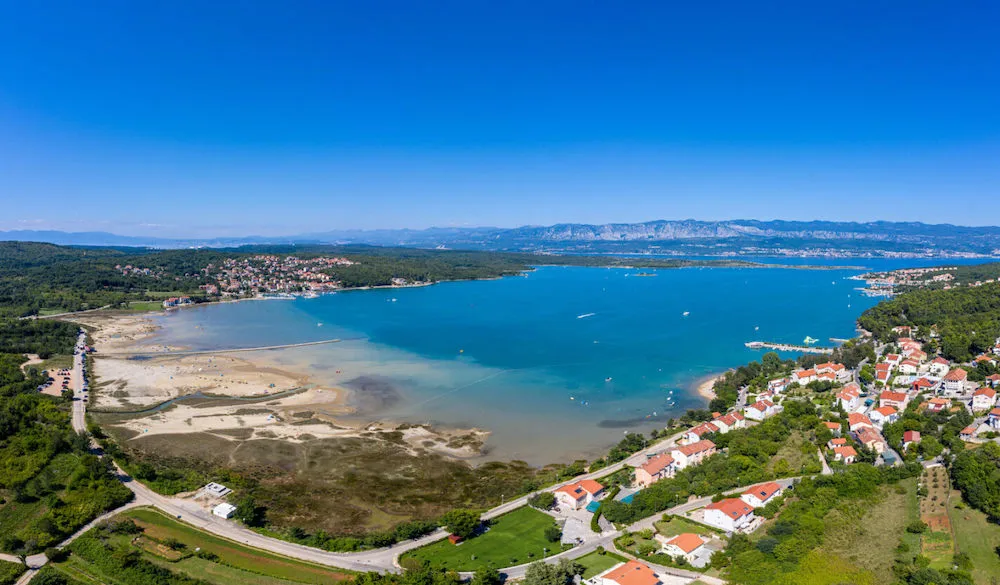
On the northeast side of Krk, tucked into the sheltered Soline Bay (between Klimno, Čižići, and Soline), there’s a beach experience that feels equal parts nature ritual and seaside fun: warm, mineral-rich coastal mud that locals and visitors have used for generations. The best-known spot for healing mud on Krk is Meline Beach, where the bay’s shallow water and fine sediment create ideal conditions for natural “peloid” (therapeutic mud) deposits.
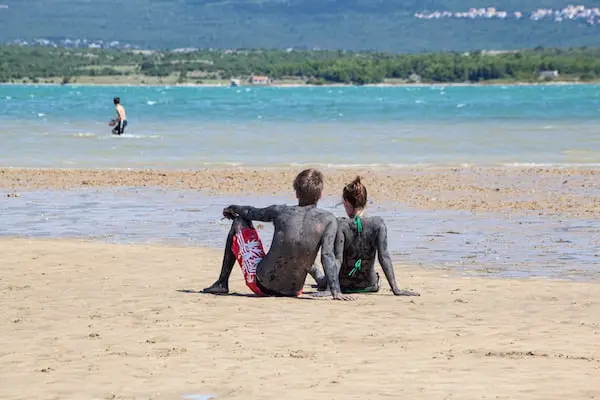
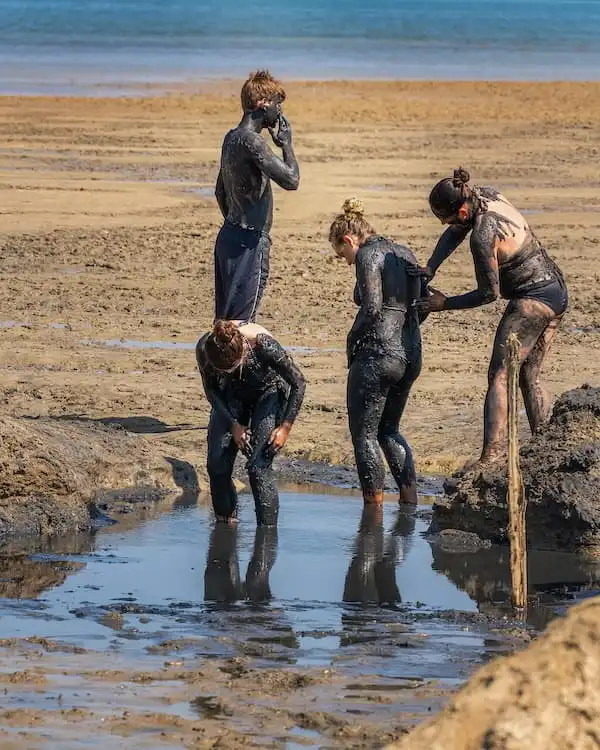
This isn’t a spa with white robes and marble floors—it’s the opposite: simple, outdoorsy, and delightfully primal. People wade into the shallows, scoop up dark mud, coat their skin, let it dry in the sun, then rinse in the sea.
What makes Soline Bay the best spot for healing mud on Krk?
Several natural factors come together in Soline Bay:
- A shallow, enclosed bay: Water warms quickly and stays calmer than open-coast beaches, which encourages the settling of fine particles.
- Fine-grained, organic-rich sediment: Scientific work describing Soline Bay notes it as a protected lagoon-like area with fine sediment rich in organic matter, an environment commonly associated with therapeutic mud formation.
- Sun heating + seawater salinity: The mud is naturally warmed by the sun, and contact with seawater adds salts—part of why people experience it as soothing and “spa-like” even without infrastructure.
In short: warm shallows, fine sediment, and the right coastal chemistry create the conditions for the healing mud on Krk that visitors seek out.
What is “healing mud,” really?
You’ll often see the healing mud on Krk described as medicinal mud or peloid. In wellness terms, therapeutic muds are typically valued for a mix of:
- Heat retention (a warm “pack” effect on skin and joints)
- Mineral content (varies by location)
- Fine texture and adsorption (how it binds to oils/impurities on the skin surface)
- Seawater interaction (salts + micro-elements)
Tourism sources for Soline Bay commonly link the mud with skin comfort and rheumatic/joint complaints in local tradition.
A useful reality check: many benefits people report (relaxation, “lighter” joints, smoother skin) can be explained by warmth, gentle exfoliation, buoyancy in shallow water, and the overall beach-rest effect—even before we get into deeper medical claims.
Claimed benefits (and why people keep coming back)
Across Krk travel guides and local destination pages, the Soline Bay mud is most often associated with:
- Rheumatic discomfort and joint stiffness
- General aches in muscles and bones
- Certain skin irritations/conditions (often described broadly rather than medically)
- A wellness/beauty effect (soft, exfoliated-feeling skin)
These are presented as traditional or commonly experienced effects rather than guaranteed medical outcomes.
You’ll also find plenty of visitor accounts describing it as fun, relaxing, and surprisingly pleasant, especially because the bay is warm and shallow.
Where to go for healing mud on Krk: Meline Beach and the Soline Bay area
The classic mud-bath location is:
- Meline Beach (Soline Bay) — often described as a sandy/shallow beach where visitors apply mud directly on the shore and in the shallows.
Soline Bay itself is repeatedly described as:
- Shallow and warmer than open sea
- Family-friendly
- Easily accessible by road on Krk
- A calmer alternative to more exposed, rocky beaches elsewhere on the island
How to do a mud session properly (the “good results, no drama” method)
1) Pick the right time
- Aim for warm months when you can comfortably sit outside while the mud dries.
- Avoid extreme midday heat if you’re prone to overheating—late morning or late afternoon can be nicer.
2) Start with clean skin
Rinse quickly in the sea first so you’re not sealing sunscreen, oils, or sand under the mud layer.
3) Apply a thin-to-medium layer
A thick coat looks impressive in photos, but a moderate layer is usually more comfortable and dries more evenly.
4) Let it dry—briefly
Most people wait until it’s dry to the touch (often around 10–20 minutes, depending on sun/wind). If your skin feels tight or irritated, rinse sooner.
5) Rinse in the sea (gently)
Let the water do the work. Scrubbing hard can irritate skin—especially if you’ve just sunbathed.
6) Rehydrate and moisturize
Mud + sun + salt can be drying. Drink water, and consider a light moisturizer later.
7) Repeat, but don’t overdo it
Many visitors do one session per day for a few days rather than multiple heavy applications back-to-back.
Safety notes (important, even for “natural” wellness)
Natural mud bathing is generally low-risk for healthy adults, but it’s smart to be cautious:
- Avoid applying mud to open cuts, fresh sunburn, or broken/irritated skin.
- If you have eczema, psoriasis, rosacea, or sensitive skin, test a small patch first.
- If you have significant circulatory issues, heart conditions, or are pregnant, avoid long hot sun exposure and consider checking with a clinician before doing heat-style “pack” treatments.
- Don’t replace medical care: if you’re treating pain or a skin condition, view mud bathing as a wellness activity—not a diagnosis or cure.
Mud etiquette: keep it beautiful for everyone
This matters a lot in places like Soline Bay:
- Use mud where it naturally occurs; don’t dig deep holes or damage the seabed.
- Don’t carry buckets of mud away—these areas recover slowly.
- Rinse off in the sea, not at beach showers (mud can clog plumbing where facilities exist).
- Leave the shoreline as you found it.
Why it pairs so well with a Krk day trip
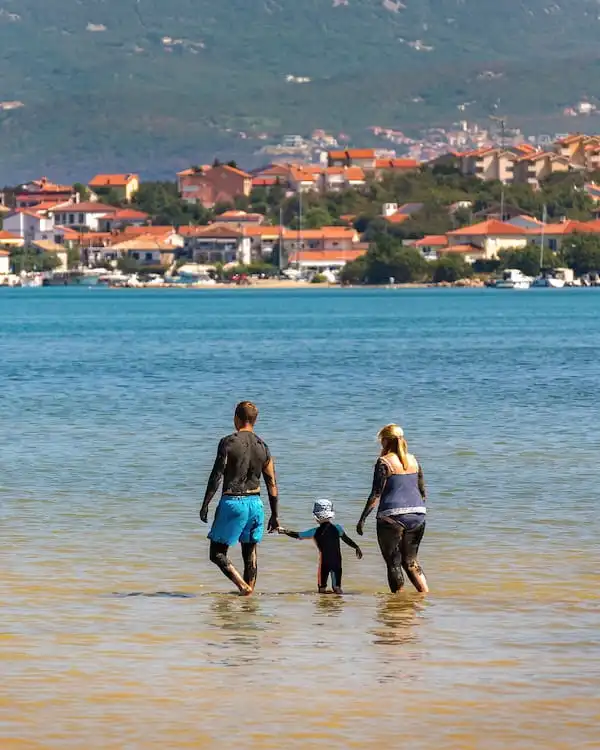
A Soline Bay mud day fits easily into a mellow itinerary because the area is naturally set up for slow travel: warm shallows, easy swimming, and nearby villages for a meal or coffee. Soline Bay is also close to other northeast Krk highlights (like inland viewpoints and attractions), making it a great “reset stop” between sightseeing.
The takeaway
Healing mud on Krk — especially around Meline Beach in Soline Bay—is one of those rare travel experiences that feels both local and legendary: simple, affordable, and tied directly to the island’s landscape. Whether you come for joint comfort, skin-smooth vibes, or just the joy of doing something a little wild and ancient by the sea, it’s a uniquely Krk memory.
If you need help organising your activities or booking the best tours to explore the island and it’s surrounding, feel free to contact us. If you need a place to stay, check out our selection of accommodation on the island of Krk.